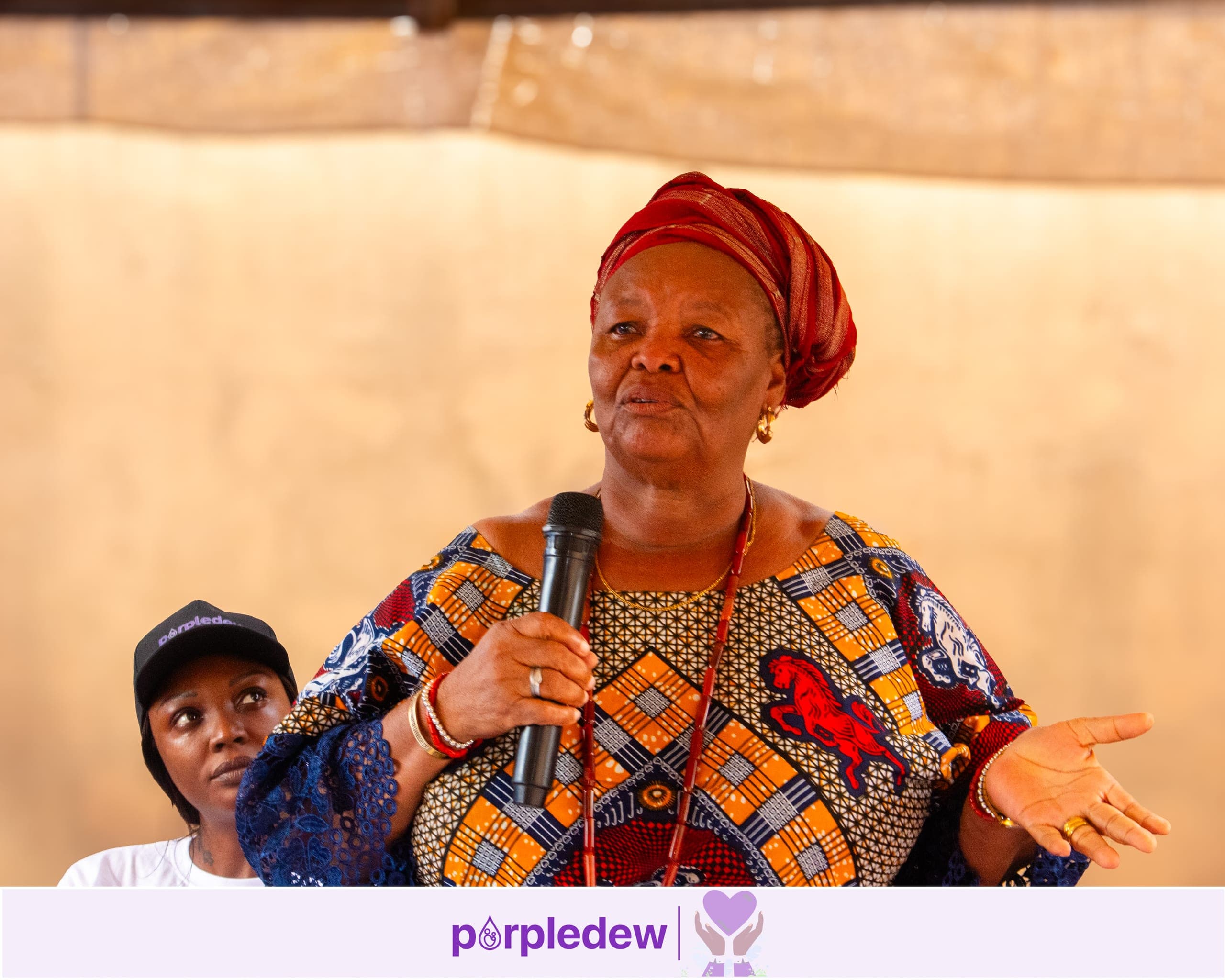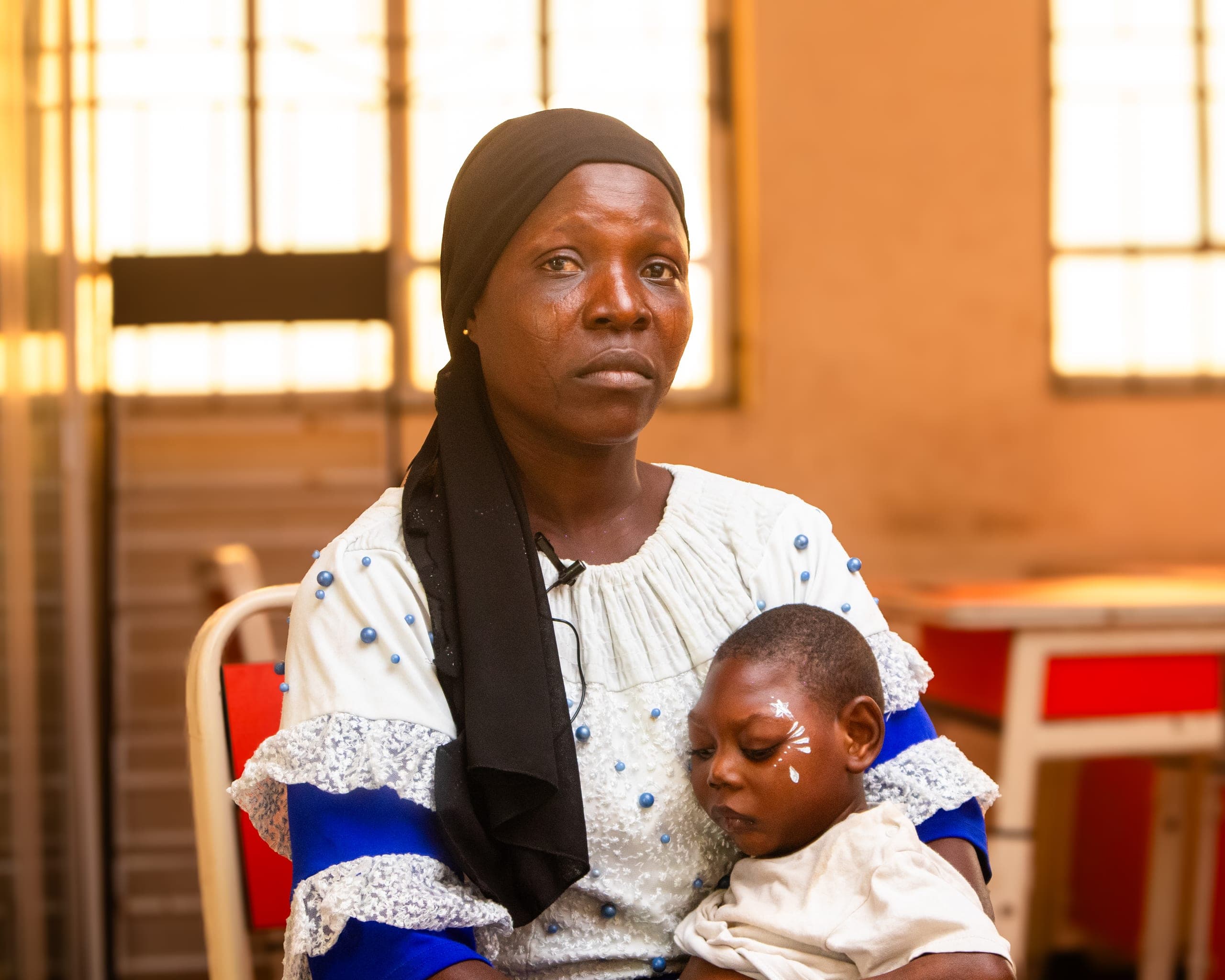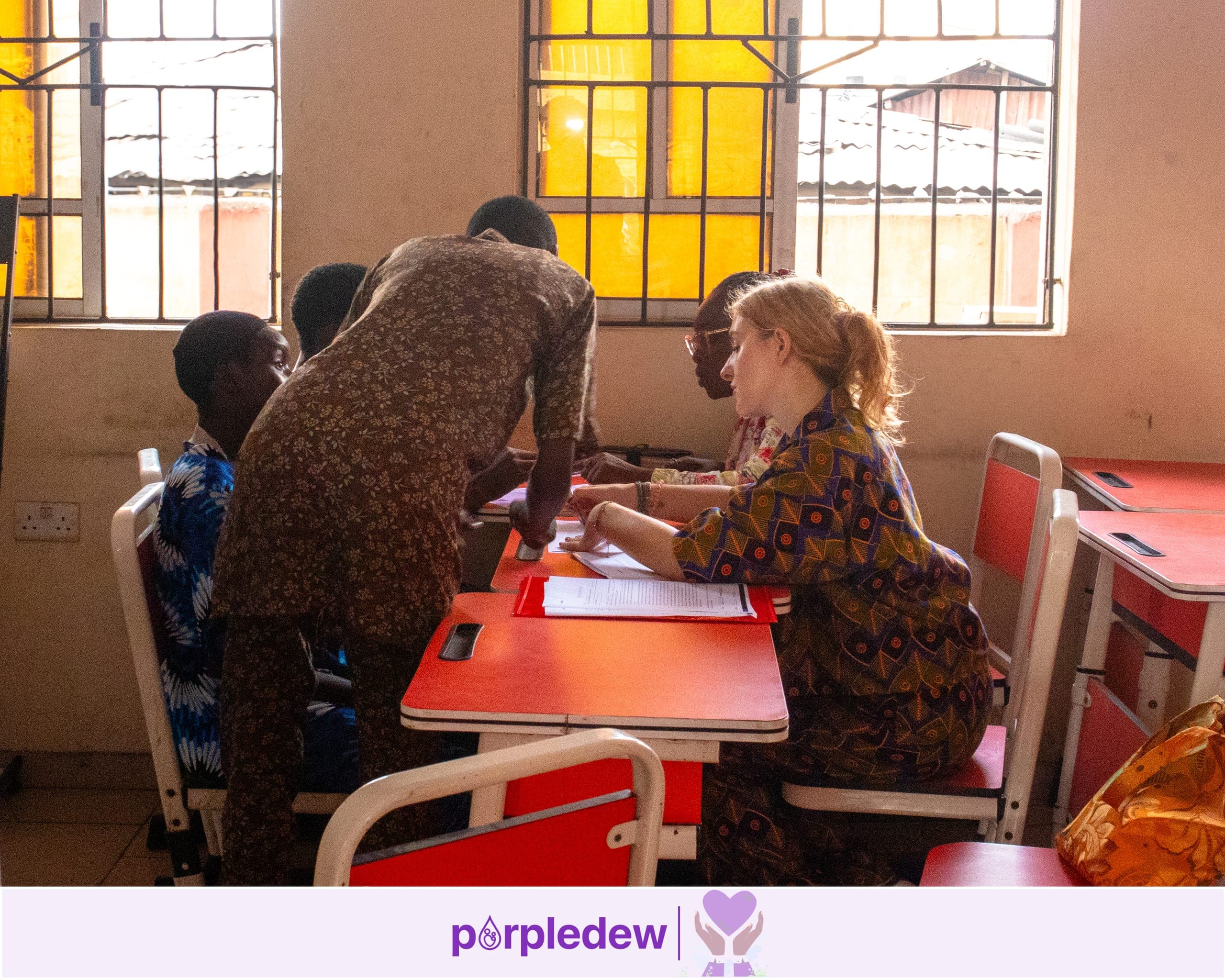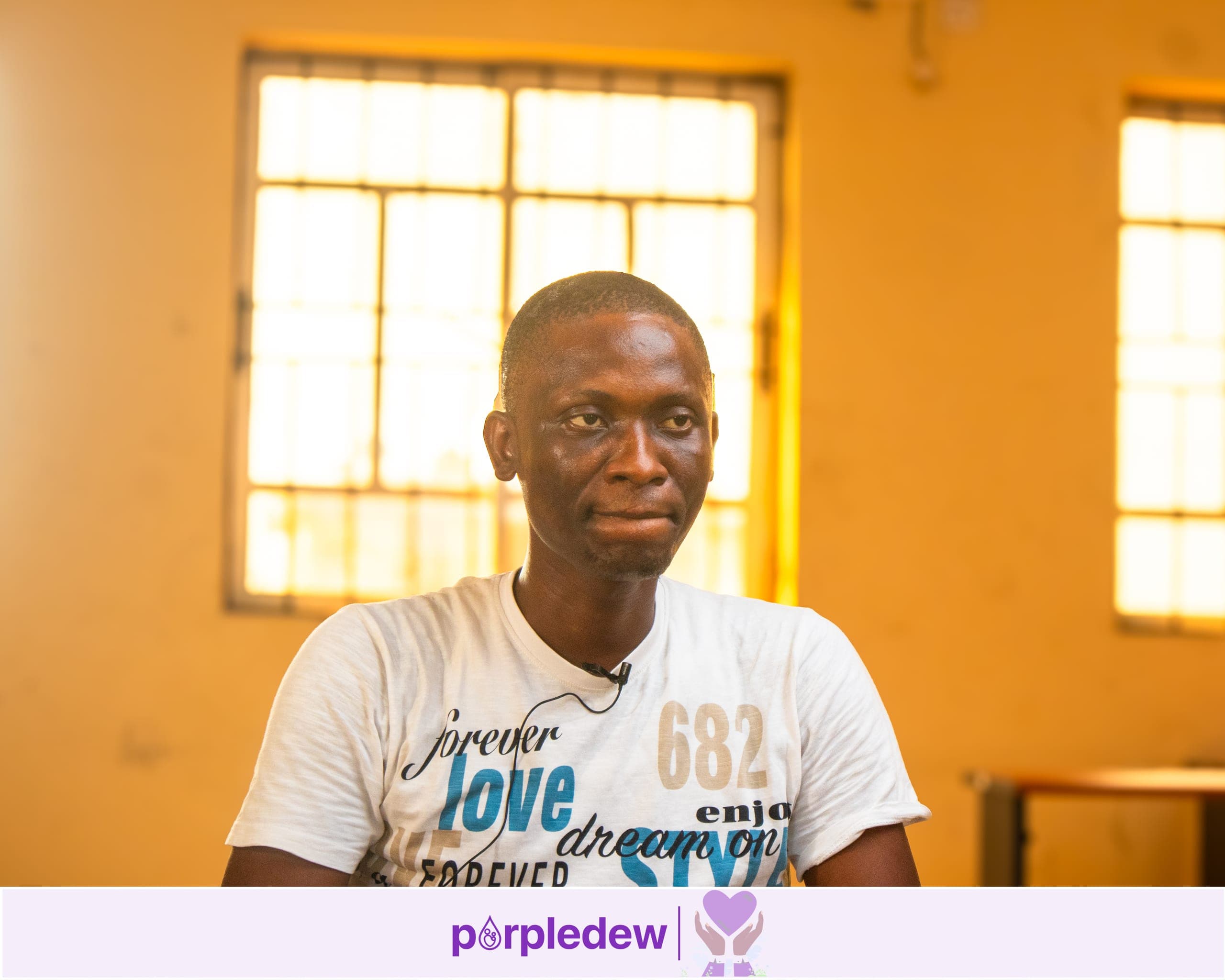
The Nigerian healthcare system ought to be the most inclusive system in Nigeria, considering the number of children and young adults living with disabilities in the country. At our last outreach at Ijora-Badia, Dr Tijani Temitope Adebayo and other doctors carried out basic tests and assessments on the children, and what we found was striking. The data does not lie: 90% of the children had not been properly diagnosed before, and 99% of them were not on any medication of any sort.
What role does early diagnosis play in managing disabilities effectively?
Generally early diagnosis is important, but beyond early diagnosis, prevention is literally the best. There are quite a lot of children I saw where some poor decisions were taken as regards their health, and if some intervention had been done, it could have prevented some of these conditions. Even after a diagnosis, if they had sought help early, and from the appropriate medical facilities, it would have brought about better outcomes.
What are the specific challenges in accessing healthcare for children with disabilities in Nigeria?
First and foremost the government needs to recognise that there are people with special needs that need special care. Their care is unique because it needs a lot of planning and a lot of training. The government really needs to wake up to this responsibility and make provisions for them. Likewise, as a community, we also need to be conscious of such individuals among us and be considerate: making provisions like wheelchairs and accessible walkways, so it is easy to move around. We all need to come together to improve the lives of individuals with special needs.
What can you say about the outreach at Ijora-Badia?
I must really thank Purple Dew for thinking it wise to conduct this outreach, particularly in this setting. It was quite strategic due to the socio-economic status of this area and the support they need. It reminds me of the present condition of our healthcare and the different needs that have to be met at different levels.
The conversation sheds light on the critical issue of accessibility and support for children with disabilities in Nigeria. Many children could have avoided their conditions or achieved better outcomes with timely interventions and proper medical care. The onus lies not only with the government but also with communities. As a society, we need to work together to create a more inclusive and supportive environment for these children, enabling them to lead fulfilling lives.